
Growth in the New Normal
.png)
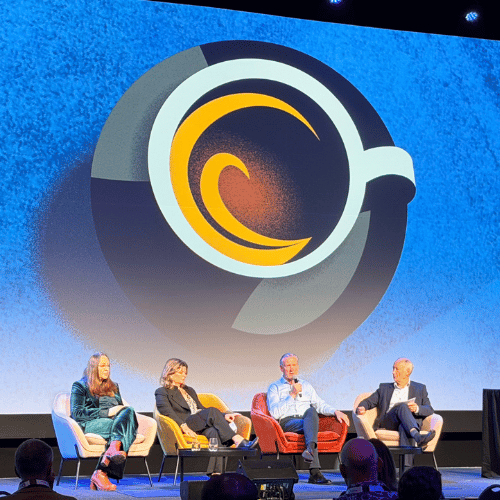
Human Digital CEO and founder Ben van Rooy attended the 2026 Institute of Directors in New Zealand Leadership Conference in Wellington last week. The conference was two days of discussion about the environment in which boards and leaders are now expected to operate and covered a wide range of subjects, from geopolitics and artificial intelligence to growth, governance, organisational culture and resilience.
What connected many of the strongest sessions was the question of leadership under conditions of sustained uncertainty. The world is becoming more difficult to predict, technology is moving faster, established assumptions are being challenged, and many organisations are operating with less confidence than they did a decade ago.
Here are the four ideas that stood out for Ben.
Volatility is no longer temporary
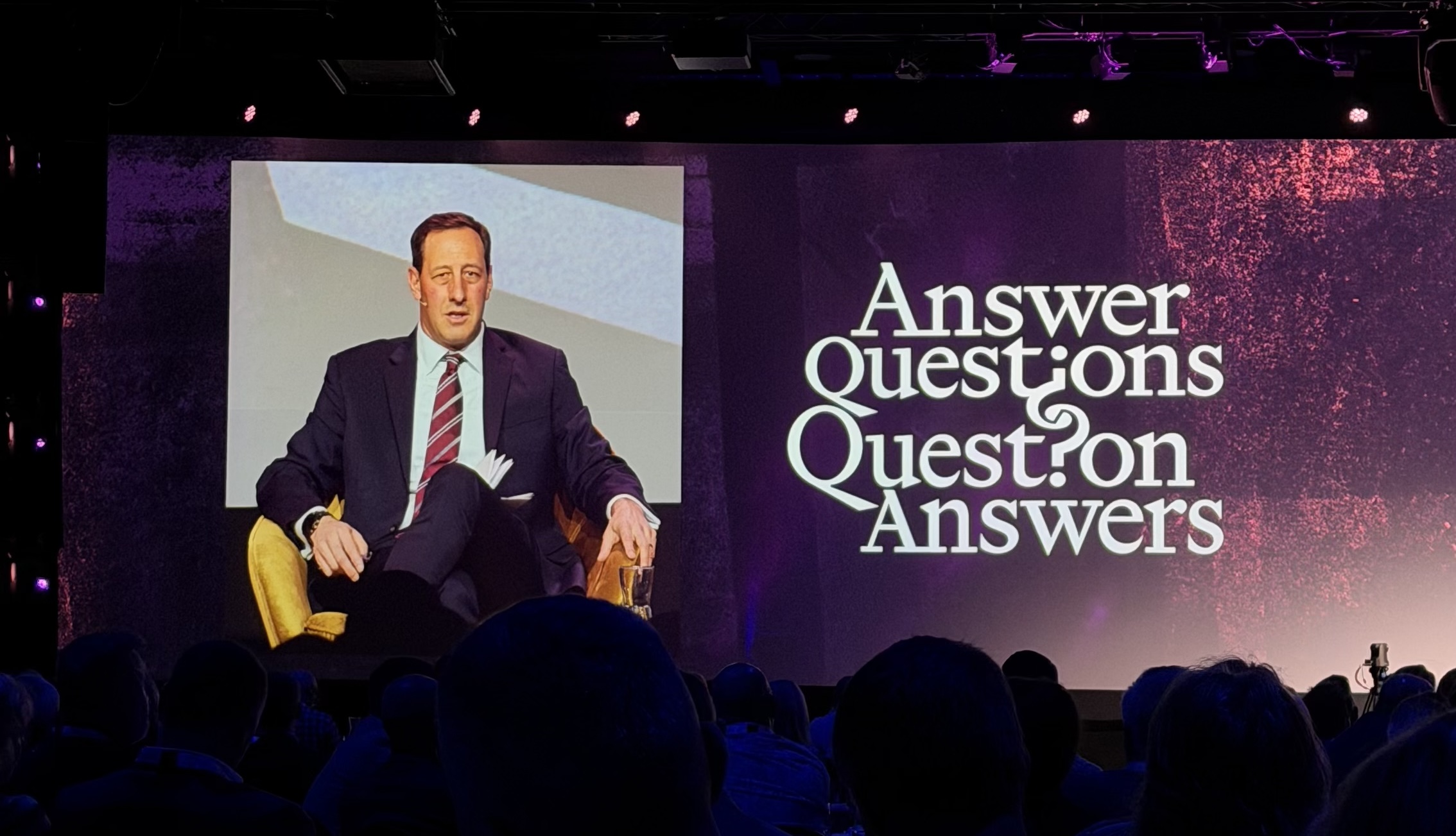
Charles Edel's presentation on geopolitics was a reminder that many of the assumptions that shaped business strategy over the past several decades are weakening. For a long period, organisations in countries such as New Zealand benefited from a relatively stable international system. Globalisation deepened, capital was inexpensive, supply chains became more efficient and the geopolitical environment, while never entirely stable, was sufficiently predictable for most businesses to treat it as background context rather than a central strategic consideration.
That period appears to be ending with geopolitical competition, energy security, artificial intelligence, demographic change and the realignment of global supply chains are increasingly interconnected. For boards, geopolitics can no longer be treated simply as a matter for governments, diplomats or multinational corporations. Decisions about technology infrastructure, cyber security, data, supply chains, market exposure and capital allocation are all becoming more explicitly geopolitical.
Chris Bradley of McKinsey & Company made the argument was that the world has not necessarily become incomprehensible, but that many of us are continuing to use mental models developed for a world that no longer exists. His analogy was of an old television that appears to be out of tune because the satellite has moved and the dish has not been adjusted. The signal has changed, but our frame of reference has not.
Boards are asking when conditions will return to normal. A better question may be whether the current environment is the new normal. If volatility is temporary, organisations can wait it out. If volatility is structural, then resilience, adaptability and strategic flexibility need to become permanent organisational capabilities.
Strategy can no longer be treated as a document reviewed every few years. It has to become a more continuous discipline in which assumptions are tested, risks are reconsidered and choices are revisited as conditions change.
Growth begins with belief
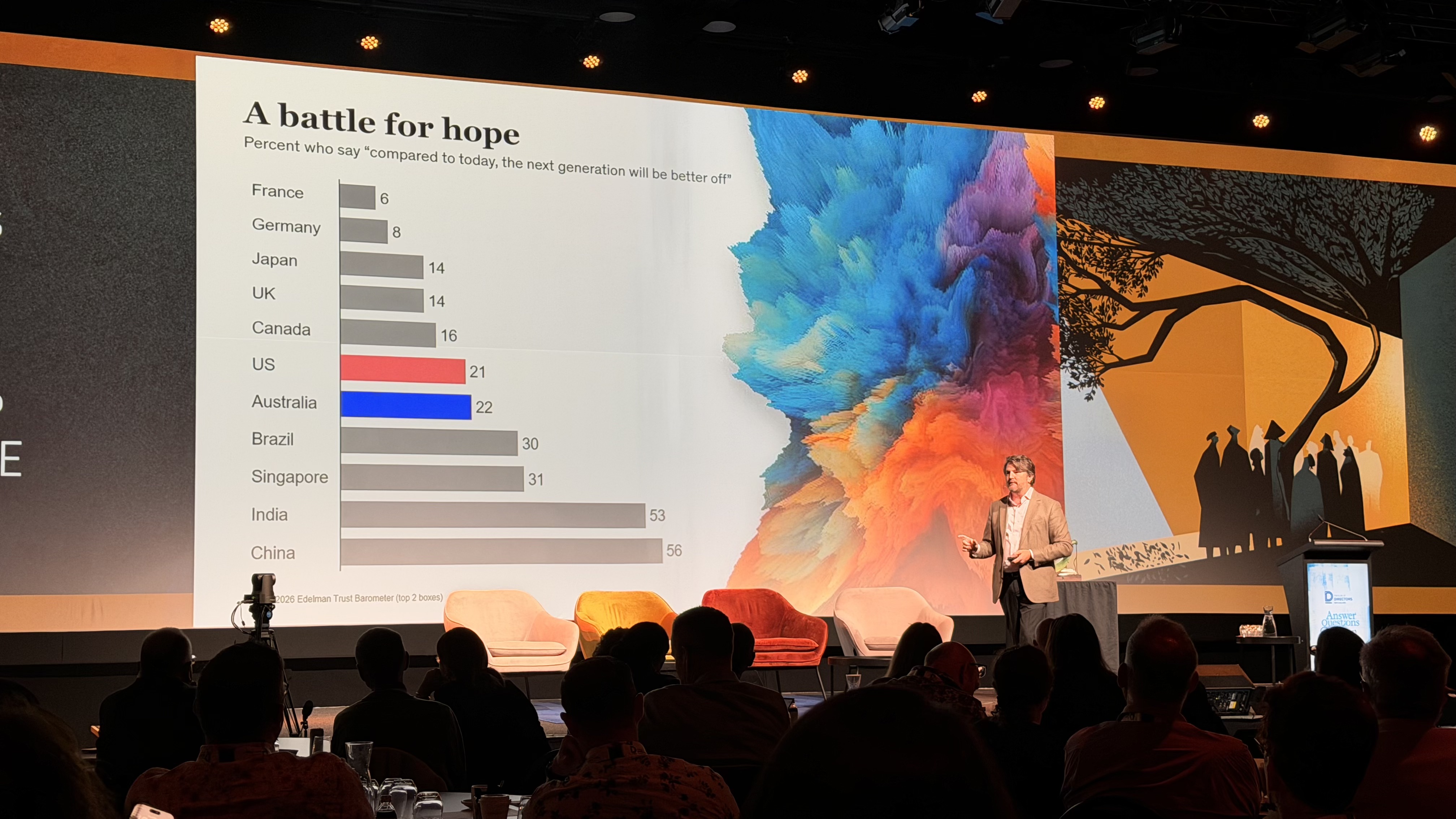
Bradley's presentation also contained one of the most important ideas of the conference, particularly for New Zealand. He argued that one of the greatest constraints on growth may not be economic at all, but psychological.
New Zealand has experienced a prolonged period of weak productivity and low per capita growth. For younger generations, economic stagnation is not an interruption to the norm, it is the norm they have grown up with.
Expectations shape behaviour. If people stop believing that material progress is possible, the policy and business conversation becomes increasingly focused on how to divide the existing pie rather than how to expand it. Growth becomes associated with inequality, risk becomes something to be minimised, and investment becomes harder to justify.
Bradley's counterargument was grounded in economic history. Over the past century, global economic growth has dramatically increased incomes, reduced extreme poverty and expanded access to healthcare, education, infrastructure and technology. Growth has never been perfectly distributed, and nor should that be ignored, but it remains one of the most powerful mechanisms available for improving human welfare.
Every meaningful organisational transformation begins with a belief in a future state that does not yet exist. Entrepreneurs understand this instinctively; they invest because they believe there is an opportunity. Boards approve capital expenditure because they believe future returns will justify present risk. Organisations innovate because they believe tomorrow can be better than today.
There is therefore a relationship between growth and confidence that is easy to underestimate. Investment requires risk, risk requires confidence, and confidence requires some belief in progress.
Organisations that become institutionally pessimistic often stop taking the decisions required to create future growth. They protect existing revenue, reduce discretionary investment, avoid difficult bets and become increasingly efficient at managing decline.
The best leaders define what good looks like, then remove the obstacles
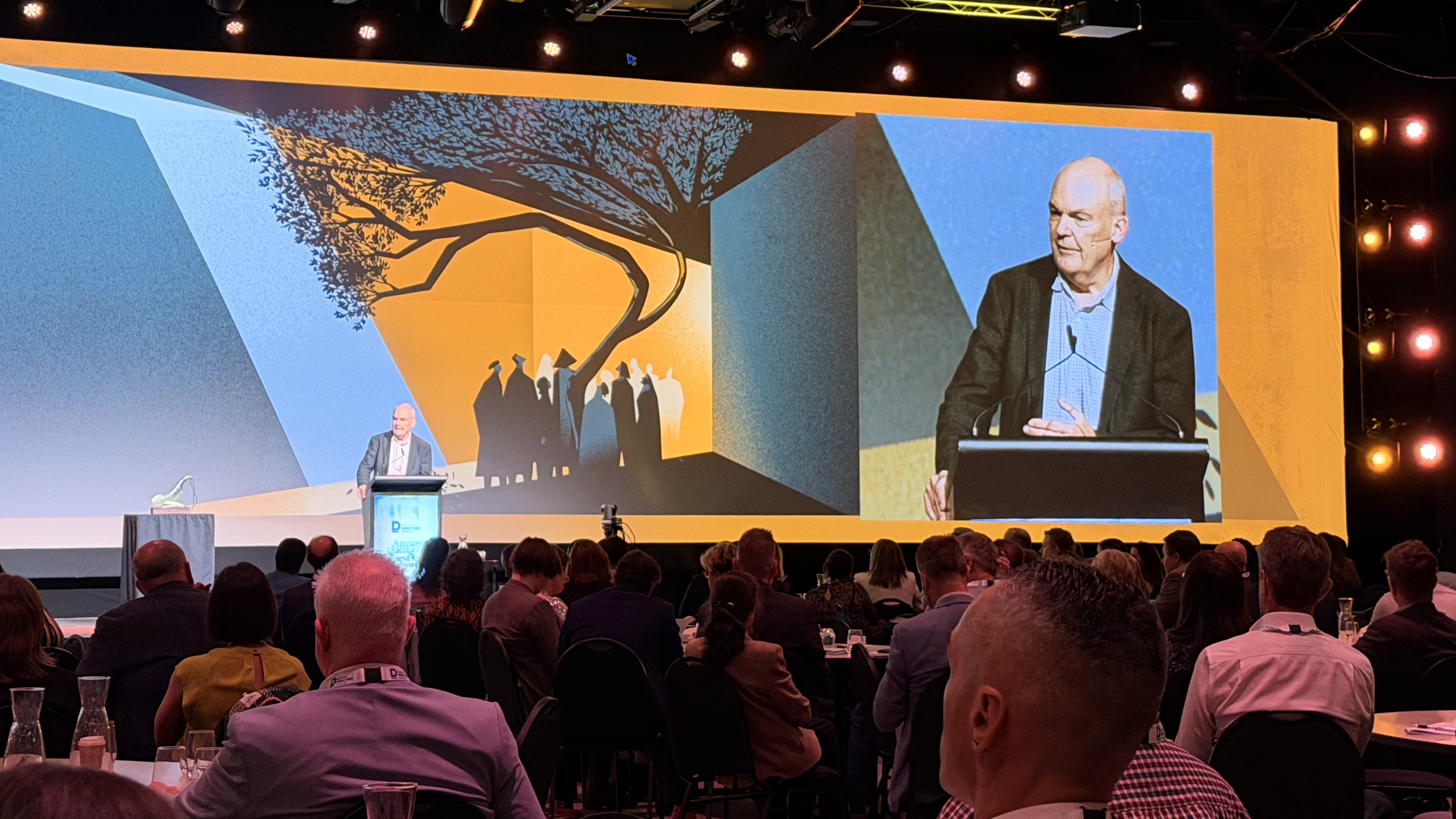
Steven Joyce approached leadership from a more operational perspective, but his central point was equally important. He observed that most people come to work wanting to do a good job. There are exceptions, but they are exceptions. The responsibility of leaders and directors, in his view, is first to define clearly what a good job looks like and then to remove the obstacles that prevent people from doing it.
Organisations often devote substantial effort to improving performance while simultaneously creating systems that make performance more difficult. Over time, talented people can end up spending more energy navigating the organisation than serving customers or solving problems.
Good governance is not about increasing the number of decisions that require board involvement. It is about creating the conditions in which the organisation can make good decisions. That requires clarity of purpose, appropriate challenge, sufficient expertise and a willingness to distinguish genuine oversight from unnecessary intervention.
Joyce also made an important point about board composition. Directors need to understand the businesses they govern. Legal, financial and governance expertise remain important, but they are not substitutes for commercial understanding. A board needs at least some people around the table who understand the underlying economics, customer behaviour, competitive dynamics and operational realities of the industry.
Directors cannot interrogate strategy meaningfully if they do not understand what drives performance. They cannot recognise an implausible assumption if they have no basis on which to judge it. Governance expertise alone is not enough. Boards need the ability to ask the right questions, and that usually requires enough industry knowledge to know where the difficult questions are.
Technology makes the human difference more valuable
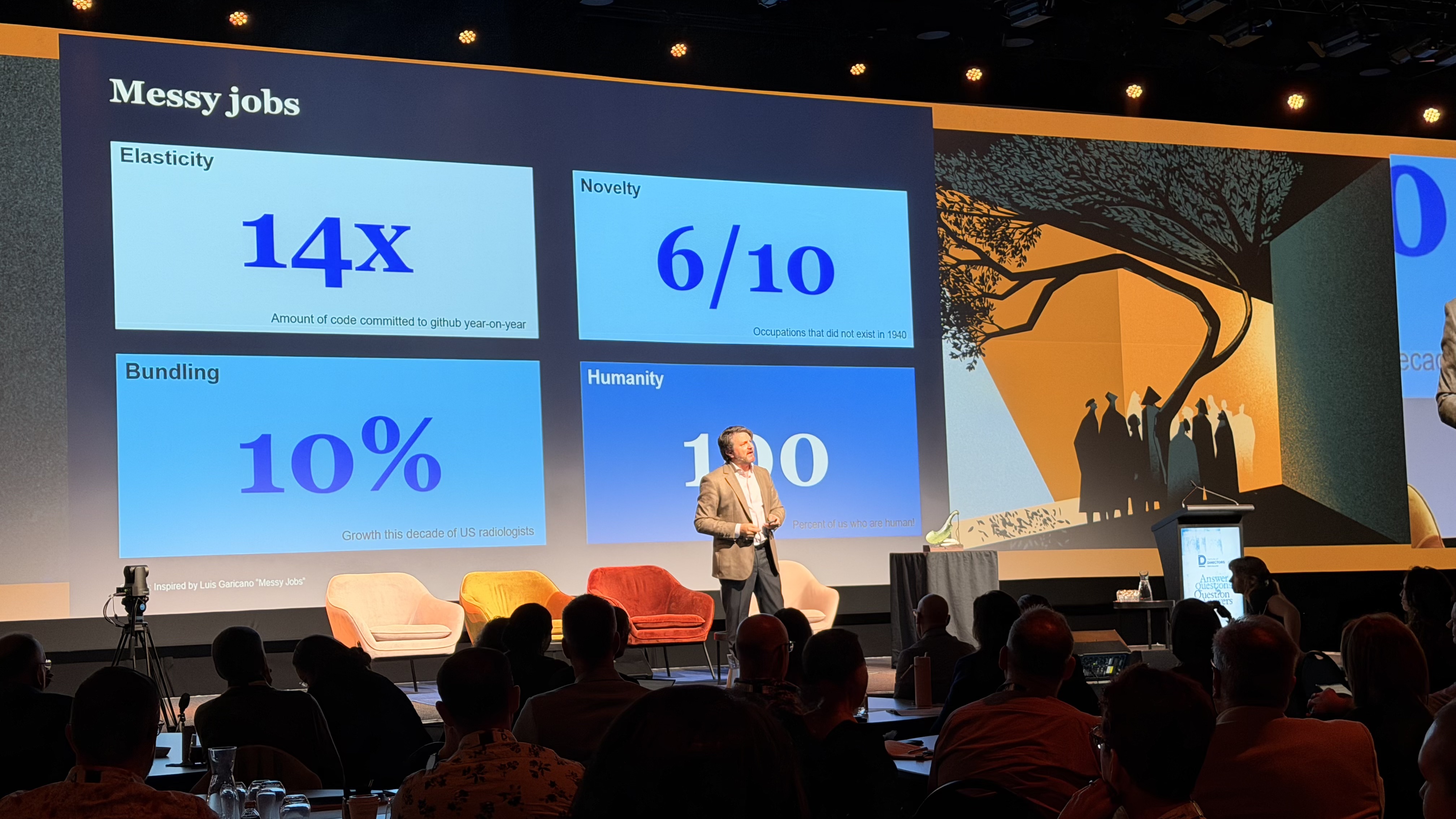
Bradley argued that the mistake many leaders make is to evaluate AI based on its current capability rather than the trajectory of improvement. The issue is not simply what AI can do today, but the rate at which that capability is changing.
Major technologies do not simply replace existing activity, they alter the structure of industries, change demand, create new categories of work and reshape the economics of production. Machine learning was once expected to significantly reduce demand for radiologists. Instead, technology has often complemented the profession by improving diagnostic capability and changing the nature of the work. The broader lesson is that jobs are bundles of tasks, relationships, responsibilities and judgements. Automating one component does not necessarily eliminate the role.
As artificial intelligence makes technical capability cheaper and more widely available, capability itself becomes less differentiated. Sophisticated analysis, content creation, research, software development and customer interaction will increasingly be available to a much wider range of organisations.
Competitive advantage needs to come from somewhere else. Judgement, trust, reputation, relationships, context, taste and human connection become more important when technological capability becomes abundant. These are precisely the areas businesses have historically found difficult to quantify.
If every organisation has access to similar technologies, similar AI models and similar operational tools, the question becomes less about what an organisation can technically do and more about why a customer should choose to engage with it. That brings leadership back to questions of identity, trust and connection.
The leadership challenge ahead
The external environment is becoming less predictable and growth requires confidence and investment. Leaders need to create clarity and remove organisational friction. Boards need to understand the businesses they govern. Technology will continue to change the structure of work, but it will not remove the need for human judgement.
The central responsibilities of leadership therefore remain surprisingly familiar; understand where the organisation is going, define what success looks like, make difficult choices about where to invest, ensure the right people are capable of challenging those choices, and remove the obstacles that prevent people from performing and preserve the distinctly human qualities that make the organisation valuable.
The tools will change considerably and the environment may become more volatile still but the fundamentals of good leadership are unlikely to change nearly as much.
Turning uncertainty into growth
For boards and executive teams, the challenge is not simply to understand these changes, but to decide what they mean for the organisation in practical terms. That requires clarity about where growth will come from, which capabilities matter most, where investment should be concentrated and what needs to change in the operating model to support it.
This is increasingly the work Ben is focused on with leadership teams: helping organisations sharpen strategy, identify credible growth opportunities and translate broad ambition into a practical plan for execution.
If your organisation is working through questions of growth, market positioning, customer strategy or how to adapt to a changing competitive environment, Human Digital would be happy to have a conversation.
Recent insights
.png)
.png)
.png)